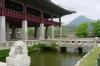
Gounsa Cheonwangmun - Gounsa (temple - meaning "lonely cloud") was established in 681 by Uisang, a leading Buddhist monk of Silla (57 BCE – 935 CE). Gounsa served as a center of Uibyeong (irregular armies or militias) resistance in the Seven Year War, when it was one of few temples to escape being burned during Japanese invasions of Korea (1592–1598). Quite isolated from villages, the temple is a very quiet, serene place.

Gounsa Daeungbojeon (main Buddha worship hall) - Gounsa (temple - meaning "lonely cloud") was established in 681 by Uisang, a leading Buddhist monk of Silla (57 BCE – 935 CE). Gounsa served as a center of Uibyeong (irregular armies or militias) resistance in the Seven Year War, when it was one of few temples to escape being burned during Japanese invasions of Korea (1592–1598). Quite isolated from villages, the temple is a very quiet, serene place.

Gounsa Education Center - Gounsa (temple - meaning "lonely cloud") was established in 681 by Uisang, a leading Buddhist monk of Silla (57 BCE – 935 CE). Gounsa served as a center of Uibyeong (irregular armies or militias) resistance in the Seven Year War, when it was one of few temples to escape being burned during Japanese invasions of Korea (1592–1598). Quite isolated from villages, the temple is a very quiet, serene place.

Gounsa Beomjonggak - Gounsa (temple - meaning "lonely cloud") was established in 681 by Uisang, a leading Buddhist monk of Silla (57 BCE – 935 CE). Gounsa served as a center of Uibyeong (irregular armies or militias) resistance in the Seven Year War, when it was one of few temples to escape being burned during Japanese invasions of Korea (1592–1598). Quite isolated from villages, the temple is a very quiet, serene place.

Gounsa Beomjonggak - Gounsa (temple - meaning "lonely cloud") was established in 681 by Uisang, a leading Buddhist monk of Silla (57 BCE – 935 CE). Gounsa served as a center of Uibyeong (irregular armies or militias) resistance in the Seven Year War, when it was one of few temples to escape being burned during Japanese invasions of Korea (1592–1598). Quite isolated from villages, the temple is a very quiet, serene place.

Gounsa Beomjonggak - Gounsa (temple - meaning "lonely cloud") was established in 681 by Uisang, a leading Buddhist monk of Silla (57 BCE – 935 CE). Gounsa served as a center of Uibyeong (irregular armies or militias) resistance in the Seven Year War, when it was one of few temples to escape being burned during Japanese invasions of Korea (1592–1598). Quite isolated from villages, the temple is a very quiet, serene place.

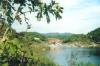
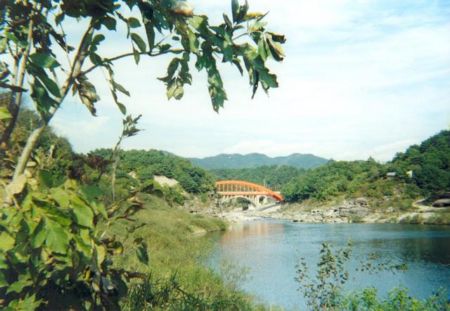
Road to Go-un temple, 고운사 가는 길

Gounsa Cheonwangmun - Gounsa (temple - meaning "lonely cloud") was established in 681 by Uisang, a leading Buddhist monk of Silla (57 BCE – 935 CE). Gounsa served as a center of Uibyeong (irregular armies or militias) resistance in the Seven Year War, when it was one of few temples to escape being burned during Japanese invasions of Korea (1592–1598). Quite isolated from villages, the temple is a very quiet, serene place.

War Memorial Monument at Gounsa is at the entrance to the temple and commemorates traditional cultural heritage.

Gounsa Uhwaru - Gounsa (temple - meaning "lonely cloud") was established in 681 by Uisang, a leading Buddhist monk of Silla (57 BCE – 935 CE). Gounsa served as a center of Uibyeong (irregular armies or militias) resistance in the Seven Year War, when it was one of few temples to escape being burned during Japanese invasions of Korea (1592–1598). Quite isolated from villages, the temple is a very quiet, serene place.

Gounsa Daeungbojeon (main Buddha worship hall) - Gounsa (temple - meaning "lonely cloud") was established in 681 by Uisang, a leading Buddhist monk of Silla (57 BCE – 935 CE). Gounsa served as a center of Uibyeong (irregular armies or militias) resistance in the Seven Year War, when it was one of few temples to escape being burned during Japanese invasions of Korea (1592–1598). Quite isolated from villages, the temple is a very quiet, serene place.

Gounsa Daehyanggak - Gounsa (temple - meaning "lonely cloud") was established in 681 by Uisang, a leading Buddhist monk of Silla (57 BCE – 935 CE). Gounsa served as a center of Uibyeong (irregular armies or militias) resistance in the Seven Year War, when it was one of few temples to escape being burned during Japanese invasions of Korea (1592–1598). Quite isolated from villages, the temple is a very quiet, serene place.

Gounsa Daeungbojeon (main Buddha worship hall) - Gounsa (temple - meaning "lonely cloud") was established in 681 by Uisang, a leading Buddhist monk of Silla (57 BCE – 935 CE). Gounsa served as a center of Uibyeong (irregular armies or militias) resistance in the Seven Year War, when it was one of few temples to escape being burned during Japanese invasions of Korea (1592–1598). Quite isolated from villages, the temple is a very quiet, serene place.

Gounsa Daeungbojeon (main Buddha worship hall) - Gounsa (temple - meaning "lonely cloud") was established in 681 by Uisang, a leading Buddhist monk of Silla (57 BCE – 935 CE). Gounsa served as a center of Uibyeong (irregular armies or militias) resistance in the Seven Year War, when it was one of few temples to escape being burned during Japanese invasions of Korea (1592–1598). Quite isolated from villages, the temple is a very quiet, serene place.

War Memorial Monument at Gounsa is at the entrance to the temple and commemorates traditional cultural heritage.

Gounsa Cheonwangmun - Gounsa (temple - meaning "lonely cloud") was established in 681 by Uisang, a leading Buddhist monk of Silla (57 BCE – 935 CE). Gounsa served as a center of Uibyeong (irregular armies or militias) resistance in the Seven Year War, when it was one of few temples to escape being burned during Japanese invasions of Korea (1592–1598). Quite isolated from villages, the temple is a very quiet, serene place.

Gounsa Cheonwangmun - Gounsa (temple - meaning "lonely cloud") was established in 681 by Uisang, a leading Buddhist monk of Silla (57 BCE – 935 CE). Gounsa served as a center of Uibyeong (irregular armies or militias) resistance in the Seven Year War, when it was one of few temples to escape being burned during Japanese invasions of Korea (1592–1598). Quite isolated from villages, the temple is a very quiet, serene place.

Gounsa Gaunru was erected by priest Choi Chi-won in 857. Gounsa Gaunru is Gyeongsangbuk-do Tangible Cultural Property #151.- Gounsa (temple - meaning "lonely cloud") was established in 681 by Uisang, a leading Buddhist monk of Silla (57 BCE–935 CE). Gounsa served as a center of Uibyeong (irregular armies or militias) resistance in the Seven Year War, when it was one of few temples to escape being burned during Japanese invasions of Korea (1592–1598).

Gounsa Samseonggak - Gounsa (temple - meaning "lonely cloud") was established in 681 by Uisang, a leading Buddhist monk of Silla (57 BCE – 935 CE). Gounsa served as a center of Uibyeong (irregular armies or militias) resistance in the Seven Year War, when it was one of few temples to escape being burned during Japanese invasions of Korea (1592–1598). Quite isolated from villages, the temple is a very quiet, serene place.

Gounsa Uhwaru - Gounsa (temple - meaning "lonely cloud") was established in 681 by Uisang, a leading Buddhist monk of Silla (57 BCE – 935 CE). Gounsa served as a center of Uibyeong (irregular armies or militias) resistance in the Seven Year War, when it was one of few temples to escape being burned during Japanese invasions of Korea (1592–1598). Quite isolated from villages, the temple is a very quiet, serene place.

Gounsa Yeolbandang - Gounsa (temple - meaning "lonely cloud") was established in 681 by Uisang, a leading Buddhist monk of Silla (57 BCE – 935 CE). Gounsa served as a center of Uibyeong (irregular armies or militias) resistance in the Seven Year War, when it was one of few temples to escape being burned during Japanese invasions of Korea (1592–1598). Quite isolated from villages, the temple is a very quiet, serene place.

Gounsa Iljumun (One Pillar Gate) - Gounsa (temple - meaning "lonely cloud") was established in 681 by Uisang, a leading Buddhist monk of Silla (57 BCE – 935 CE). Gounsa served as a center of Uibyeong (irregular armies or militias) resistance in the Seven Year War, when it was one of few temples to escape being burned during Japanese invasions of Korea (1592–1598). Quite isolated from villages, the temple is a very quiet, serene place.

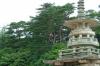
Gounsa Samcheung Seoktap dates from the Goryeo Era (918–1392) consisting of a double tier foundation on which 3 stories sit. The foundation is partially damaged, and on the panels of the lower foundation are two corner pillars and one carved middle pillar carved. Gounsa Samcheung Seoktap is Gyeongsangbuk-do Cultural Material #28.- Gounsa (temple - meaning "lonely cloud") was established in 681 by Uisang, a leading Buddhist monk of Silla (57 BCE–935 CE). Gounsa served as a center of Uibyeong (irregular armies or militias) resistance in the Seven Year War, when it was one of few temples to escape being burned during Japanese invasions of Korea (1592–1598).

War Memorial Monument at Gounsa is at the entrance to the temple and commemorates traditional cultural heritage.

Gounsa Samcheung Seoktap dates from the Goryeo Era (918–1392) consisting of a double tier foundation on which 3 stories sit. The foundation is partially damaged, and on the panels of the lower foundation are two corner pillars and one carved middle pillar carved. Gounsa Samcheung Seoktap is Gyeongsangbuk-do Cultural Material #28.- Gounsa (temple - meaning "lonely cloud") was established in 681 by Uisang, a leading Buddhist monk of Silla (57 BCE–935 CE). Gounsa served as a center of Uibyeong (irregular armies or militias) resistance in the Seven Year War, when it was one of few temples to escape being burned during Japanese invasions of Korea (1592–1598).

Gounsa Samcheung Seoktap dates from the Goryeo Era (918–1392) consisting of a double tier foundation on which 3 stories sit. The foundation is partially damaged, and on the panels of the lower foundation are two corner pillars and one carved middle pillar carved. Gounsa Samcheung Seoktap is Gyeongsangbuk-do Cultural Material #28.- Gounsa (temple - meaning "lonely cloud") was established in 681 by Uisang, a leading Buddhist monk of Silla (57 BCE–935 CE). Gounsa served as a center of Uibyeong (irregular armies or militias) resistance in the Seven Year War, when it was one of few temples to escape being burned during Japanese invasions of Korea (1592–1598).

Gounsa Steles - Gounsa (temple - meaning "lonely cloud") was established in 681 by Uisang, a leading Buddhist monk of Silla (57 BCE – 935 CE). Gounsa served as a center of Uibyeong (irregular armies or militias) resistance in the Seven Year War, when it was one of few temples to escape being burned during Japanese invasions of Korea (1592–1598). Quite isolated from villages, the temple is a very quiet, serene place.

War Memorial Monument at Gounsa is at the entrance to the temple and commemorates traditional cultural heritage.

Gounsa Steles - Gounsa (temple - meaning "lonely cloud") was established in 681 by Uisang, a leading Buddhist monk of Silla (57 BCE – 935 CE). Gounsa served as a center of Uibyeong (irregular armies or militias) resistance in the Seven Year War, when it was one of few temples to escape being burned during Japanese invasions of Korea (1592–1598). Quite isolated from villages, the temple is a very quiet, serene place.

Gounsa Daeungbojeon (main Buddha worship hall) - Gounsa (temple - meaning "lonely cloud") was established in 681 by Uisang, a leading Buddhist monk of Silla (57 BCE – 935 CE). Gounsa served as a center of Uibyeong (irregular armies or militias) resistance in the Seven Year War, when it was one of few temples to escape being burned during Japanese invasions of Korea (1592–1598). Quite isolated from villages, the temple is a very quiet, serene place.

Gounsa Steles - Gounsa (temple - meaning "lonely cloud") was established in 681 by Uisang, a leading Buddhist monk of Silla (57 BCE – 935 CE). Gounsa served as a center of Uibyeong (irregular armies or militias) resistance in the Seven Year War, when it w

Gounsa Daeungbojeon (main Buddha worship hall) - Gounsa (temple - meaning "lonely cloud") was established in 681 by Uisang, a leading Buddhist monk of Silla (57 BCE – 935 CE). Gounsa served as a center of Uibyeong (irregular armies or militias) resistance in the Seven Year War, when it was one of few temples to escape being burned during Japanese invasions of Korea (1592–1598). Quite isolated from villages, the temple is a very quiet, serene place.

안동시 영가대교

Mask dance festival of Andong (4)

안동시 옥동 거리

Andong Jebiwon Stone Buddhist(2)

월영교

Weolyeonggyo-9

안동 신세동 칠층전탑

Mask dance festival of Andong (2)

안동 월영교(Andong)

Andong Jebiwon Stone Buddhist(1)

Mask dance festival of Andong (3)

Andong - South Korea (04/05-2004)

Andong - South Korea (04/05-2004)

Andong - South Korea (04/05-2004)

Andong - South Korea (04/05-2004)

Andong - South Korea (04/05-2004)
Photos provided by Panoramio. Photos are under the copyright of their owners.
 Fotoğrafınızı ekleyin